
What Are Superalloys? Types, Properties and Applications

Superalloys are a class of high-performance metallic materials designed for use in environments where conventional engineering alloys cannot reliably operate. They are engineered to retain strength, stability and corrosion resistance under high temperatures, mechanical stress and aggressive chemical exposure. As a result, they are widely used in aerospace, power generation, chemical processing and other demanding industrial sectors where long-term reliability is essential.
Introduction to Superalloys
Superalloys are metal alloys developed to perform in extreme service conditions, particularly where high temperatures would cause standard materials to weaken or deform. They are valued for their ability to maintain mechanical strength, resist oxidation and withstand long periods of stress without significant degradation. For a closer look at the mechanisms behind these characteristics, see our guide to the unique properties of superalloys.
Most superalloys are based on one of three primary metals:
- Nickel, which provides the strongest overall balance of high-temperature strength and corrosion resistance
- Cobalt, used where wear resistance and thermal fatigue performance are critical
- Iron, used in less demanding applications where cost and moderate high-temperature performance are important
These materials are found in components that cannot afford failure, including turbine engines, industrial furnaces and chemical processing equipment.
Why Superalloys Are Used
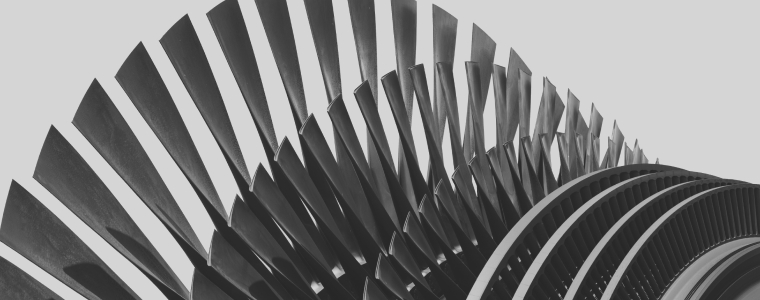
Superalloys are more expensive and more complex to process than steels, stainless steels or aluminium alloys. However, they are specified because conventional materials lose strength, stability or corrosion resistance under extreme operating conditions.
In applications such as gas turbines or jet engines, components must withstand high rotational speeds and sustained exposure to elevated temperatures. In these conditions, standard alloys would soften, distort or oxidise rapidly. Superalloys maintain their structural integrity, enabling safe and efficient operation.
Although initial material and manufacturing costs are higher, the extended service life and reduced maintenance requirements often result in lower overall lifecycle costs.
What Are Superalloys Made Of?
The composition of superalloys varies depending on grade and application, but most contain a similar set of alloying elements that define their performance.
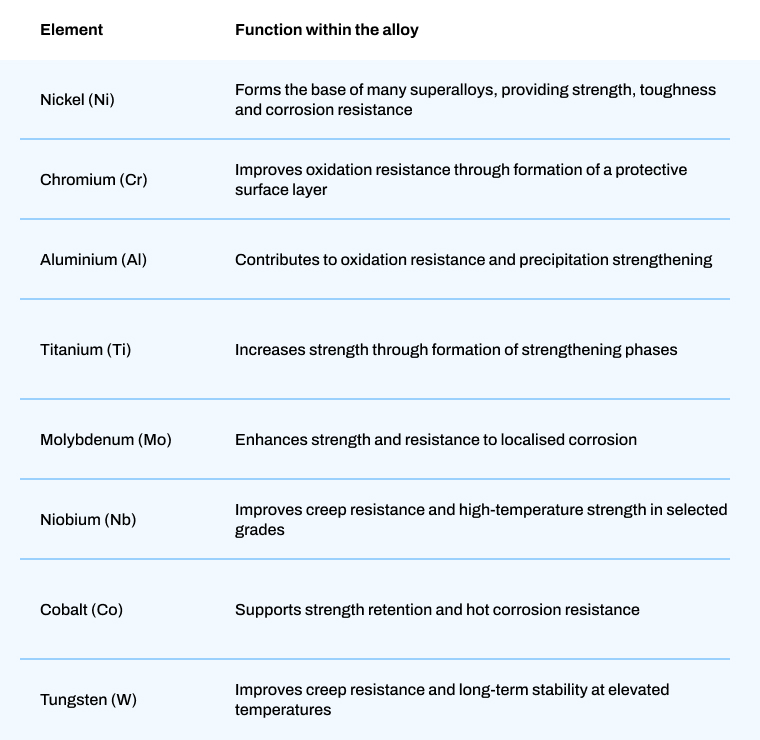
The balance of these elements determines how a superalloy performs in service. For example, higher chromium levels improve oxidation resistance, while molybdenum additions enhance performance in corrosive chemical environments.
A well-known example is Inconel® 625, a nickel-chromium alloy strengthened by molybdenum and niobium in solid solution. This structure provides strong resistance to corrosion and maintains mechanical performance from low temperatures up to approximately 982°C.
Types of Superalloys: Nickel, Cobalt and Iron-Based
Nickel-Based Superalloys
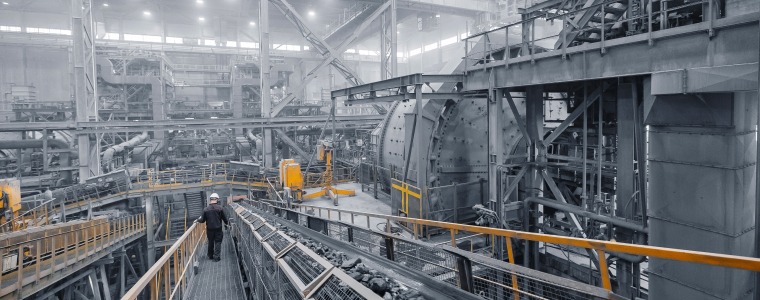
Nickel-based superalloys are the most widely used group and offer an excellent combination of high-temperature strength, oxidation resistance and corrosion resistance. They are extensively used in aerospace, energy and chemical processing applications.
Common grades include:
- Inconel® 625, used primarily for corrosion resistance in marine, offshore and chemical environments
- Inconel® 718, valued for high strength and fatigue resistance in aerospace and gas turbine components
- Hastelloy® C-276, used in highly corrosive chemical processing environments
- Incoloy® 800HT®, designed for long-term high-temperature service in furnace and petrochemical applications
Cobalt-Based Superalloys
Cobalt-based superalloys are selected where resistance to wear, thermal fatigue and hot corrosion is critical. They perform particularly well under repeated heating and cooling cycles.
Typical grades include:
- Alloy 188, used in gas turbine engines and high-temperature combustion environments
- Alloy L605, used in aerospace components and furnace applications requiring strength at high temperatures
Iron-Based Superalloys
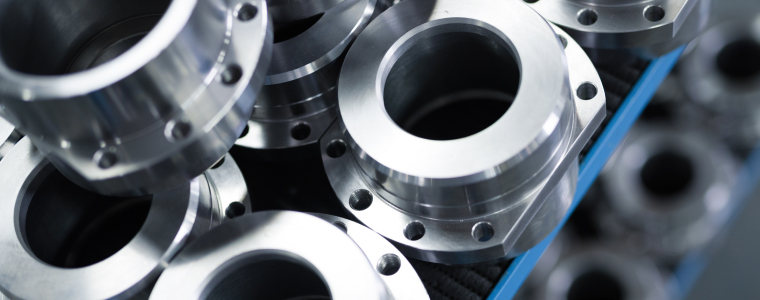
Iron-based superalloys offer improved high-temperature performance compared to standard steels at a lower cost than nickel or cobalt-based systems. They are typically used where moderate high-temperature strength is required.
A common example is A-286, which provides good strength and oxidation resistance up to approximately 816°C and is used in fasteners, turbine hardware and structural components.
How Are Superalloys Made?
The processing route of a superalloy is critical to its final performance, with strict control required at every stage. Many grades begin with vacuum induction melting (VIM) or vacuum arc remelting (VAR), which reduce impurities and produce a clean, homogeneous structure.
After melting, the alloy is forged, rolled or cast into the required form before undergoing controlled heat treatment. This final stage is used to develop the microstructure that determines strength, creep resistance and long-term stability.
Casting is widely used for nickel-based superalloys, and the method selected has a significant effect on performance:
Conventional Casting
Produces components with randomly oriented grains. It is the simplest method and is used where directional strength is not critical.
Directionally Solidified (DS) Casting
Controls solidification so grains grow in a single direction. This improves strength along the main loading axis and is commonly used for turbine blades.
Single-Crystal (SC) Casting
Produces components without grain boundaries, forming a single continuous crystal. This significantly improves creep resistance but requires highly controlled manufacturing conditions.
The choice of process depends on the alloy grade and the intended application.
Key Properties of Superalloys
Superalloys are engineered to perform under extreme thermal, mechanical and chemical conditions. Their performance is not based on a single property, but on a combination of interrelated mechanisms within their microstructure and alloy chemistry.
High-Temperature Strength
Superalloys retain mechanical strength at temperatures where conventional metals begin to soften and lose structural integrity. This makes them suitable for components exposed to sustained heat and load, such as turbine blades and combustion systems.
This performance is achieved through a combination of solid solution strengthening and the presence of stable, high-temperature phases within the alloy. Elements such as tungsten, molybdenum and aluminium help stabilise the structure and reduce deformation at elevated temperatures.
Creep Resistance
Creep refers to the slow, permanent deformation of a material under constant stress at high temperature. In gas turbines and power systems, this can lead to gradual distortion and eventual failure if not controlled.
Superalloys resist creep through a stable microstructure that restricts dislocation movement and grain boundary sliding. Strengthening precipitates and alloying additions such as niobium and tantalum further improve resistance to long-term deformation under load.
Oxidation and Corrosion Resistance
Superalloys exhibit excellent resistance to oxidation and corrosion, particularly in hot or chemically aggressive environments. This is primarily due to the presence of chromium and aluminium.
These elements form thin, stable oxide layers on the surface of the material, such as chromium oxide (Cr₂O₃) and aluminium oxide (Al₂O₃). These layers act as a protective barrier, slowing further reaction with oxygen, combustion gases or corrosive media.
Nickel also contributes by stabilising the alloy structure and supporting the formation of protective surface films in demanding environments.
Fatigue Resistance
Components in aerospace and energy applications are often exposed to repeated thermal cycling and mechanical loading. Over time, this can initiate microcracks that lead to failure in conventional materials.
Superalloys are designed to resist fatigue through a combination of strength, ductility and microstructural stability. Their ability to withstand repeated stress cycles without rapid crack propagation makes them essential in rotating and high-vibration components.
Applications of Superalloys
The diverse applications of superalloys reflect their ability to maintain performance in environments where temperature, pressure, corrosion and mechanical stress act simultaneously. Their use enables improved efficiency, reliability and service life across multiple industries.
Aerospace Industry
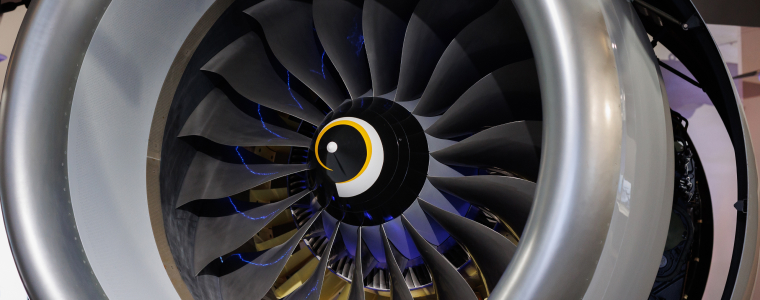
Superalloys are most extensively used in aerospace applications, particularly within jet engines where operating conditions are extreme.
Key applications include:
- Turbine blades and discs: operate under high rotational stress and extreme temperatures
- Combustion systems: exposed to intense heat and reactive gases
- Hot section components: including nozzles, shrouds and seals
- Exhaust systems: require oxidation resistance at high temperatures
- Structural engine components: such as mounts subjected to fatigue loading
- Space systems: used in components exposed to thermal extremes during launch and re-entry
Their ability to retain strength at high temperature is critical for improving engine efficiency and reducing fuel consumption.
Power Generation
In gas turbine power generation plants, superalloys are used in both rotating and stationary components exposed to continuous high-temperature operation.
Typical applications include:
- Turbine blades and discs
- Combustor components
- Heat-resistant exhaust sections
By maintaining mechanical stability over long service intervals, superalloys help improve efficiency, reduce downtime and extend maintenance cycles in power generation systems.
Chemical Processing
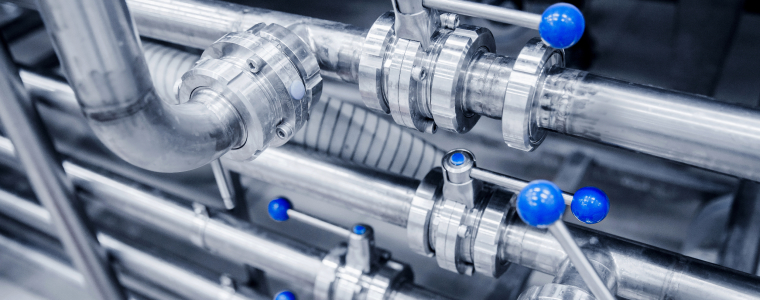
Chemical processing environments often involve aggressive media, high temperatures and continuous operation, placing significant demands on materials.
Superalloys are used in:
- Reactors and pressure vessels
- Heat exchangers
- Piping systems and valves
Their corrosion resistance ensures long-term reliability and reduces the risk of material degradation, leakage or contamination.
Oil and Gas Industry
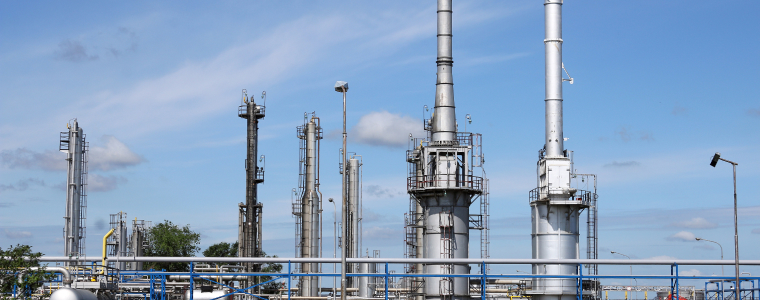
The oil and gas sector exposes materials to a combination of high pressure, corrosive fluids and elevated temperatures.
Superalloys are used in:
- Downhole tools and drilling equipment
- Subsea and offshore systems
- Refining and processing components
Their durability in harsh environments improves operational safety and reduces equipment failure in critical applications.
Automotive Applications

Although used in smaller volumes compared to aerospace, superalloys play a key role in high-performance automotive systems.
Applications include:
- Turbocharger turbines
- Exhaust manifolds
- High-temperature engine valves
They allow for improved thermal efficiency, reduced weight and enhanced durability in high-performance engines.
Industrial Heat Treatment
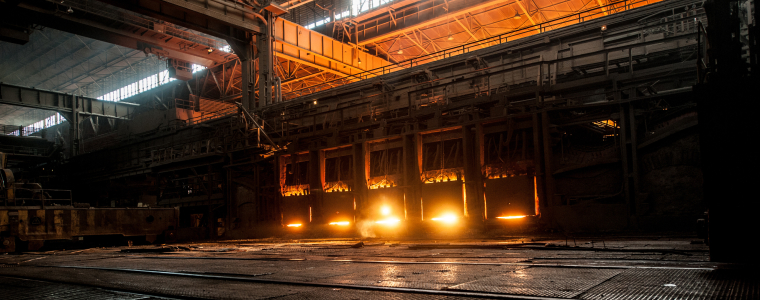
Industrial furnaces and thermal processing heat treatment systems rely on materials that can withstand repeated thermal cycling without degradation.
Superalloys are used in:
- Furnace fixtures and supports
- Heat treatment baskets and trays
- Structural high-temperature components
Their resistance to oxidation and thermal fatigue ensures stable long-term performance in continuous high-heat environments.
How to Choose a Superalloy
Selecting the correct superalloy depends on the full service environment rather than a single property. Key considerations include:
- Operating temperature range
- Exposure to corrosive or oxidising environments
- Mechanical load and fatigue conditions
- Fabrication and welding requirements
- Required service life and maintenance intervals
Understanding these factors ensures the most appropriate material is selected for long-term performance.
Speak to the NeoNickel Team
Superalloys are engineered materials designed for environments where reliability under extreme conditions is essential. Through carefully controlled composition and processing, they deliver exceptional strength, corrosion resistance and thermal stability, which makes them indispensable across aerospace, energy and industrial applications where conventional materials cannot perform. For guidance on selecting the right grade for your application, contact the NeoNickel team.
