
Welding of Titanium and Titanium Alloys
If you would like to read more on welding high alloy material, you can click here.
The two crystallographic structures of titanium
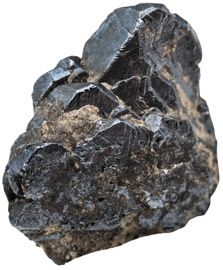 Titanium is alloyed with Alpha stabilisers such as Oxygen, Carbon, Nitrogen and Aluminium or with Beta phase stabilisers, Chromium, Molybdenum, Niobium, Tin and Vanadium to extend the range of properties available.
Titanium is a reactive metal and will burn in pure oxygen at 600°C and Nitrogen above 800°C. Oxygen, Nitrogen and Hydrogen readily diffuse into Titanium and can quickly cause embrittlement. Titanium does not suffer with any cracking issues other than possible cold cracking of the HAZ from embrittlement.
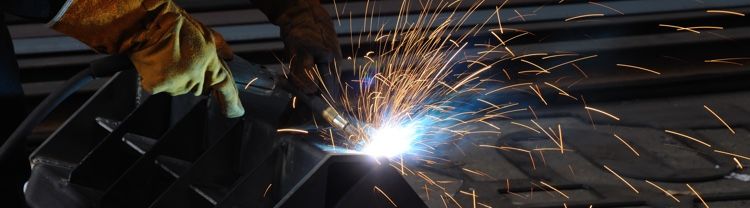
Titanium and Titanium alloys can be arc welded with the gas shielded processes, TIG, MIG or Plasma TIG. The flux shielded processes can be used but are more difficult due to the inherent higher oxygen contents and are not therefore recommended.
 Pure or commercially pure titanium
Alpha alloys
Alpha beta alloys
Beta alloys
Filler materials
Titanium is commonly identified by a grade number within the ASTM specification and the common alloys have a matching filler material with a similar designation, e.g. ERTi followed by the grade number in line with AWS A5-16 2004, i.e. ASTM Grade 5 alloy has a matching filler ERTi-5. For the higher strength grades a lower strength more ductile filler is sometimes used, where permitted by design, to improve ductility and aid welding. Extra Low Interstitial, ELI filler metals are available which will again improve weld metal ductility.
Cleanliness
Porosity
Parameters
It is also good practice to keep the torch over the weld pool once welding has finished and the arc has finished, to cool the weld pool and prevent any gas absorption. Once the weld cools below 500C then this can be removed.
Specific parameters for each alloy are available on the relevant Weld Data sheet.
